
The High Cost of Reactivity
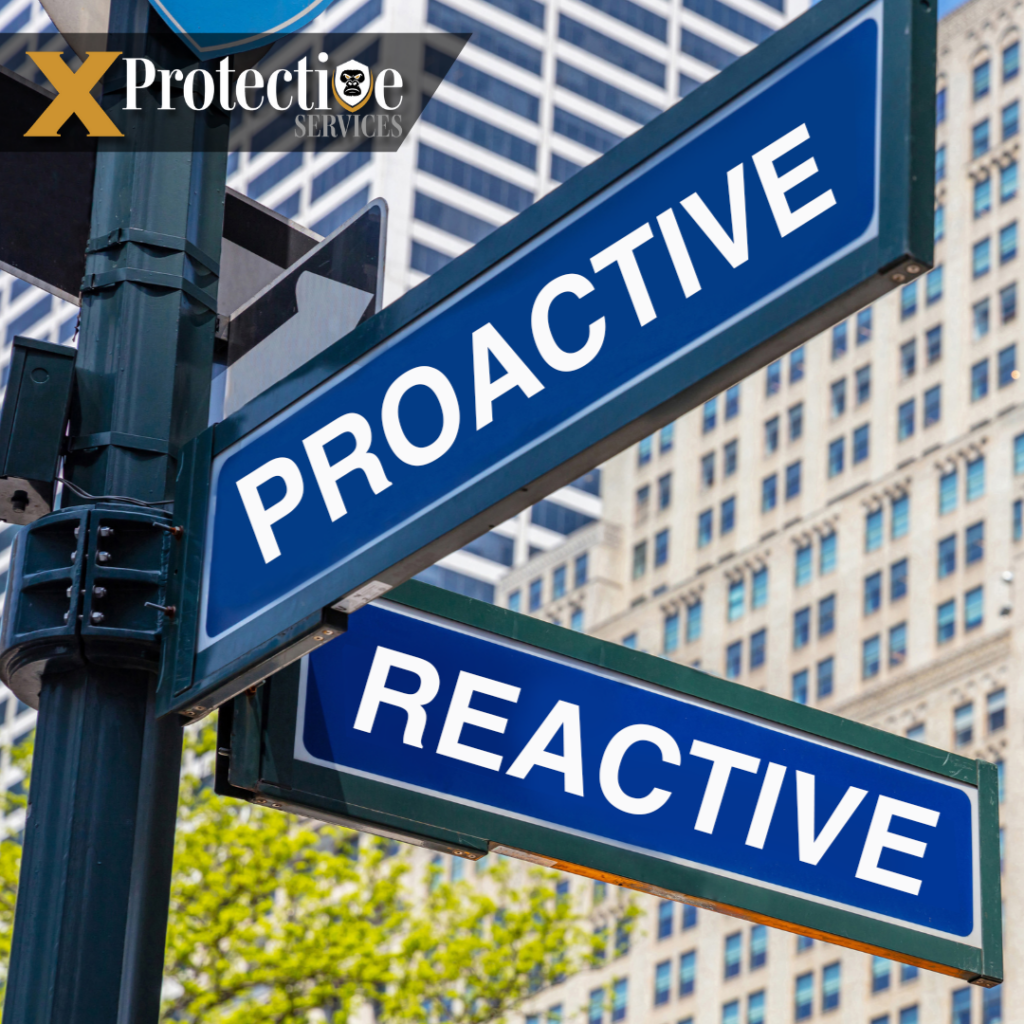
The High Cost of Reactivity: A Case Study on Proactive Executive Security
The tragic loss of UnitedHealth Group executive Jeffrey Weiss is a stark reminder that reactive security measures are not enough. Even in one of the most highly surveilled cities in the world, executives remain vulnerable without proactive security strategies in place.
For Fortune 500 companies, where executives represent not just leadership but the brand itself, security failures can have severe financial, reputational, and human costs. This case underscores a crucial lesson: waiting for threats to materialize before taking action is a costly mistake. Instead, organizations must embed proactive security measures into their operational framework.
Key Takeaways for Executive Protection
The Absence of Security Personnel
Executives should never be alone in public spaces. The lack of an assistant, driver, or security professional creates a critical vulnerability.
The Importance of Advance Work
Effective security relies on planning. Risk assessments, secure travel routes, and controlled entry points can significantly reduce exposure to threats.
Balancing High-Profile Security in Low-Profile Settings
Discreet protection—such as plainclothes security—offers executives a protective presence without drawing unnecessary attention.
Navigating Stringent Gun Laws
In cities like New York, where self-defense options are limited, professional security teams must implement alternative protective measures to mitigate risks.
The Strategic Imperative of Proactive Security
Security should not be an afterthought—it must be an integral part of corporate culture. The financial investment in executive protection is far outweighed by the potential consequences of a security breach.
This case presents a clear call to action: companies must shift from a reactive to a proactive security mindset. Prevention, not reaction, is the key to safeguarding leadership, ensuring business continuity, and maintaining trust in an unpredictable world.